As beverage trends evolve and consumer habits shift, one of the most talked-about debates in the alcohol space right now is RTD vs hard seltzer. While both categories have surged in popularity and often find themselves side-by-side on retail shelves, they cater to distinct tastes, occasions, and shopper mindsets. Understanding these differences is crucial for consumers looking to make informed choices and for retailers aiming to optimize shelf space and drive sales.
In this post, we’ll break down the real distinctions between malt beverage vs cocktail driven RTDs, explore how these formats are converging and diverging, and unpack key trends like convenience, premiumization, and occasion-based merchandising. We’ll also spotlight insights from NielsenIQ data, guidance from The Liquor Bros buyer’s guide, and context from American Craft Beer to get a holistic picture of this dynamic segment.
Understanding RTDs and Hard Seltzers: Definitions and Origins
RTD cocktails—or ready-to-drink cocktails—are spirit-based, premixed drinks designed to offer the classic cocktail experience without the hassle of measuring or mixing. Think canned margaritas, vodka sodas, or gin and tonics that aim to replicate bar-quality cocktails in a convenient package.
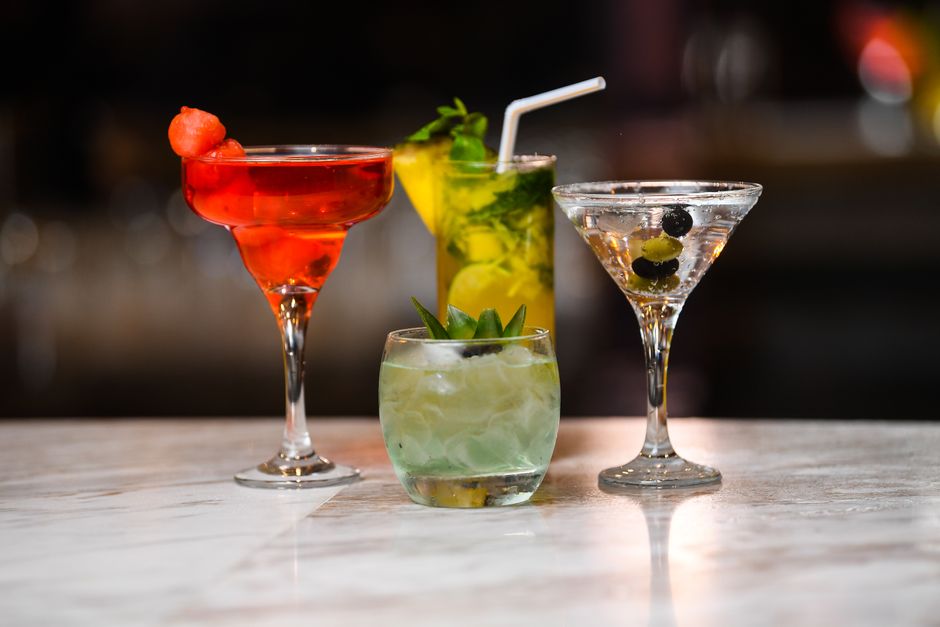
Hard seltzers, on the other hand, typically start with a base of fermented malt or sometimes sugar, and are carbonated waters lightly flavored with fruit essences. Initially popularized as a low-calorie, low-sugar alternative, hard seltzers rose rapidly due to their light, refreshing profile and health-conscious appeal.
Aspect RTD Cocktails Hard Seltzers Base Spirit-based (vodka, rum, gin, tequila, etc.) Malt ferment or sugar ferment base Flavor Profile Cocktail flavors, balanced mixers, bitters, citrus, herbs Lightly flavored, fruit-forward, effervescent Alcohol Content (ABV) Typically 8-12% ABV Usually 4-6% ABV Calories and Nutrition Varies, generally higher due to mixers Low calorie, often marketed as "clean" and sugar-free Packaging Cans or bottles, sometimes in sleek, premium designs Usually slim cansRTDs Moving Into Beer Retail Spaces
Traditionally, RTD cocktails occupied liquor store cooler sections focused on spirits and mixers, while hard seltzers lived alongside beers and malt beverages. However, according to recent NielsenIQ industry data, we’re witnessing an increasing migration of spirit-based RTDs into beer aisles. This trend reflects not only shifting consumer shopping habits but also evolving retail strategies seeking to capitalize on cross-category impulse purchases.
From a shopper perspective, beer and hard seltzer buyers often overlap with RTD cocktail consumers looking for convenient, ready-to-enjoy solutions — especially those in younger demographics who prioritize portability and on-the-go consumption. Retailers stocking RTDs alongside malt beverages benefit from this convenience-driven mindset, potentially boosting incremental sales.
Retail experts like The Liquor Bros encourage merchandisers to be intentional with placement, leveraging occasion-based merchandising to group together products that match consumers’ social plans — whether it’s backyard barbecues, beach days, or casual weekend happy hours.
Occasion-Based Merchandising: Creating Connections on Shelf
Consumers rarely think in terms of beverage categories when shopping; https://highstylife.com/is-the-liquor-bros-rtd-buyers-guide-worth-reading/ they think about occasions. Occasion-based merchandising aligns with how people select drinks for their activities — whether it’s a refreshing summer sipper, a no-fuss camping beverage, or a premium cocktail for a dinner party.
- Hard seltzers tend to dominate casual, light moments — post-work unwind, poolside, or active outdoor settings due to their low-calorie, crisp format. RTD cocktails appeal when the occasion calls for a more elevated yet convenient choice — backyard gatherings, virtual happy hours, or as an easy pre-game option.
By understanding these distinctions, retailers can curate cross-category displays that drive discovery. For example, pairing a hard seltzer six-pack next to a premium canned margarita pack can create complementary purchasing behaviors — appealing to consumers who want variety but prioritize convenience.
Convenience and Portability: The Heart of the Matter
When comparing spirit-based RTD cocktails and hard seltzers, convenience and portability are the leading drivers behind their popularity. They eliminate the need for tools, ice, or bartending skill, delivering complex flavor profiles packaged in ready-to-drink formats.
Hard seltzer was originally celebrated for its simplicity — no added sugar, lightly carbonated, low-alcohol — making it the default “grab-and-go” chilled refreshment. But that simplicity can sometimes veer into flat, generic taste territory, frustrating those who crave balance and complexity in their drinks.
That’s where RTD cocktails step in on the flavor front. Increasingly, brands under the craft umbrella focus on using higher quality ingredients, natural juices, herbal bitters, and balanced sweetener. Industry resources like The Liquor Bros buyer’s guide highlight brands that prioritize taste authenticity over gimmicks and buzzwords.

Premiumization in RTDs means drinkers don’t have to compromise between convenience and quality — a big reason why this segment is pulling shoppers from beer, seltzer, and even spirits departments.
What to Look for When Choosing Your RTD Cocktail
- Natural ingredients over artificial flavorings Balanced sweetness with no syrupy aftertaste Spirit-forward ABV matching classic cocktail profiles Proper carbonation levels to complement the cocktail style
This balance is what sets apart the RTD category’s rising stars. The craft beer industry’s attention to detail and ingredient integrity, exemplified by organizations like American Craft Beer, has indirectly influenced RTD cocktail producers to up their game, blurring lines between craft beer sensibility and spirit convenience.
Malt Beverage vs Cocktail: Why It Matters
canned cocktailsOne of the fundamental differences stems from their base formulation. Hard seltzers derive from malt or sugar fermentation, technically classifying them alongside beers and malt beverages. Conversely, RTD cocktails derive their alcohol from distilled spirits, which affects flavor delivery, mouthfeel, and how they’re regulated and marketed.
This difference explains why in some regions RTDs and hard seltzers are taxed differently, have different shelf placement laws, and appeal to somewhat different target audiences. However, future innovation and crossovers (e.g., spirit-infused seltzers) may blur these lines further, making distinctions even more subtle.
Feature Malt Beverage / Hard Seltzer Spirit-Based RTD Cocktail Alcohol Source Fermentation of malt or sugars Distilled spirits Flavor Complexity Generally lighter, less complex More complex, balanced flavors Packaging Regulations Mimics beer and malt laws Subject to spirit regulations Consumer Positioning Health-conscious, casual drinkers Cocktail lovers, premium seekersLooking Forward: What the Data Tells Us
Data from NielsenIQ indicates that while hard seltzer growth has slowed compared to its peak years, RTD cocktail sales are rising steadily, driven by innovation and premiumization. This suggests an evolving consumer landscape where drinkers trade up for variety and quality, without losing the essential appeal of convenience.
The Liquor Bros emphasize that education and product storytelling will play major roles in helping shoppers understand these differences, move beyond marketing fluff, and discover new favorites.
Meanwhile, American Craft Beer events and tastings often showcase collaborations between brewers and distillers, pointing toward future cross-genre experimentation and hybrid beverages that could redefine the boundaries between malt beverages and cocktails.
Final Thoughts: Choosing Between RTDs and Hard Seltzers
The real difference between RTD cocktails vs hard seltzers boils down to intent and experience. Hard seltzers remain the light, casual choice for calorie-conscious, highly portable occasions. RTD cocktails provide a more decadent, spirit-rich drinking option that appeals to those who value authentic taste and complexity without sacrificing convenience.
As the categories converge on retail walls and consumer expectations rise, brands investing in quality ingredients and well-balanced recipes will lead the next wave of growth.
For retailers and shoppers alike, leveraging tools like The Liquor Bros buyer’s guide and consulting NielsenIQ industry insights gives a leg up in navigating this flavorful and fast-evolving segment.
Next time you’re in the beer aisle, take a moment to look closely at the cooler layout—does your store stock the right mix of spirit-based RTDs and malt-based hard seltzers grouped by occasion and quality? Chances are, that placement might tell you more about market trends than any flashy label copy ever could.