If you've ever taken a sip of bourbon and wondered, “Do I like this oakiness, or is it overpowering?” — you’re not alone. Oak plays a starring role in bourbon’s character, but its presence can tip from beautifully balanced to overly dry or bitter quickly. That delicate line between “just right” and “too much oak” is personal and shaped by several factors including your palate, the proof, and the bourbon’s mash bill.
Before diving in, a quick question to you: when you try bourbon, do you prefer it neat, on the rocks, or in a cocktail? This little choice can totally change how oak presents itself and what you notice most.
Understanding Subjective Taste and Personal Preference
Taste is king here. One person’s velvety toasted oak flavor can be another’s sawdust-like dryness. It’s important to recognize your own palate’s sensitivity and preferences. Some folks are naturally drawn to richer dessert-like bourbons with subtle oak, while others appreciate sharper, spicier profiles where oak signals maturity and structure.
- Ask yourself: Does the oak enhance the overall flavor or does it steal the show? Pay attention: Is the oak flavor dry and smooth, or does it leave a bitter or astringent aftertaste? Listen to your senses: Beyond taste, how does the oak aroma feel on your nose? Inviting, or too woodsy?
If you find yourself reaching for water or struggling to finish because the woodiness overwhelms, you might be leaning toward preferring a lighter oak level.
Mapping the Flavor Profile: Sweet, Spicy, Fruity, Oaky, Dessert-Like
Bourbon is a beautiful puzzle of flavors. To understand where oak fits, try mapping the flavor profile into broad categories:
Sweet – Vanilla, caramel, honey, brown sugar Spicy – Cinnamon, clove, black pepper, baking spices Fruity – Cherry, apple, citrus, dried fruit Oaky – Toasted oak, wood tannins, cedar, leather Dessert-like – Butterscotch, chocolate, toffee, creamWhen oak dominates beyond the center, it can create a dry finish — that lingering dryness on the palate that may feel sharp or even puckering. The key is balance. Do the oak notes work harmoniously with sweetness and fruit, or do they overwhelm? That’s your signal.
When tasting, I jot notes in my trusty notebook like “vanilla-heavy with medium oak and a dry finish” or “rich fruit but oak edges sharp, might benefit from a drop of water.” This little habit helps me recognize patterns in my preferences over time.
Proof and Its Role: Perceived Heat vs Oak Intensity
Proof, or the alcohol strength of bourbon, acts like a “volume knob” for flavor intensity and perceived heat. Higher proof bourbons often feel hotter on the palate, which can mask some oakiness or make it feel more intense. Conversely, lower proof pours might reveal more delicate oak nuances but can taste “flat” to some.
- Neat: High-proof bourbons showcase intense oak and spice but may be a bit “brash” for oak-sensitive palates. With water (a few drops): Water can soften the alcohol heat, unveiling hidden flavors and sometimes revealing a more balanced oak level. On the rocks: Chill and dilution can tone down oak intensity and smooth dry finishes.
My personal quirk: I always ask “neat, rocks, or cocktail?” before recommending anything because oak perception shifts so much with dilution or chilling. Try your bourbon different ways and note when oak feels right or too much.

Mash Bill Influence: Corn, Rye, Wheat and Their Impact on Oak Perception
The mash porchdrinking.com bill—the mix of grains used—shapes bourbon's body and how oak is perceived.
Mash Bill Characteristics Effect on Oak Perception High Corn (Classic Bourbon) Sweet, smooth, mellow body Balances oak with sweetness, making wood notes more subtle High Rye Spicy, peppery, bold flavor Can sharpen oak edges, emphasizing dry, tannic qualities Wheat Soft, creamy, gentle spice Soothes oak dryness, resulting in a rounder, less astringent finishSo if you find the oak too “too much,” trying a wheated bourbon might offer a smoother, less dry experience. If you like spice and sharper notes, a rye-forward expression may highlight oak in a way you enjoy.
Age Influence: Does Older Mean More Oak—and Is That Good or Bad?
“Older is always better” is a phrase that drives me nuts — mainly because with oak and age, more time in the barrel doesn’t always equal a better bourbon for your taste.
Generally, older bourbon extracts more oak compounds, which can deepen complexity but also increase dryness and tannic bitterness if aged excessively or stored in certain ways. Some bourbons end their maturation at 8-12 years with balanced oak that still feels lively. Others at 15+ years can veer into heavy-handed wood influence.
Bottom line: Age influences oak level, but personal preference decides whether that oak amount is just right or too much.
Final Tips: How to Find Your Just-Right Oak Level
Taste Widely: Try bourbons across age ranges, proof levels, and mash bills. Keep notes on oak perception and what you like. Adjust Serving: Try your bourbon neat, with a few drops of water, or on ice to see how the oak flavor shifts. Focus on the Finish: Does the dry finish feel rewarding or drying out your palate? Trust Your Taste: It’s your bottle—if the oak level makes you smile, it’s a winner regardless of score or hype. Join the Conversation: Share your findings on social platforms like Facebook or X (Twitter) share to hear how others balance their oak preferences.Remember, bourbon is about enjoyment, not rules. Whether you love bold oak or prefer a whisper of wood, knowing how to identify your favorite oak level alongside sweetness, spice, proof, and grain profile will make each bottle a rewarding adventure.
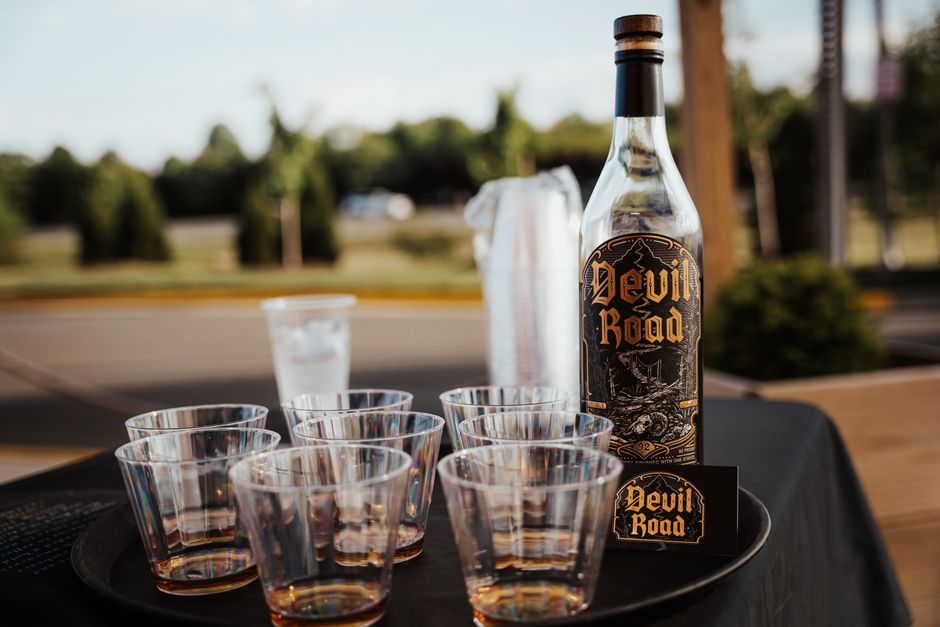
Cheers to finding the oak that fits your perfect pour!